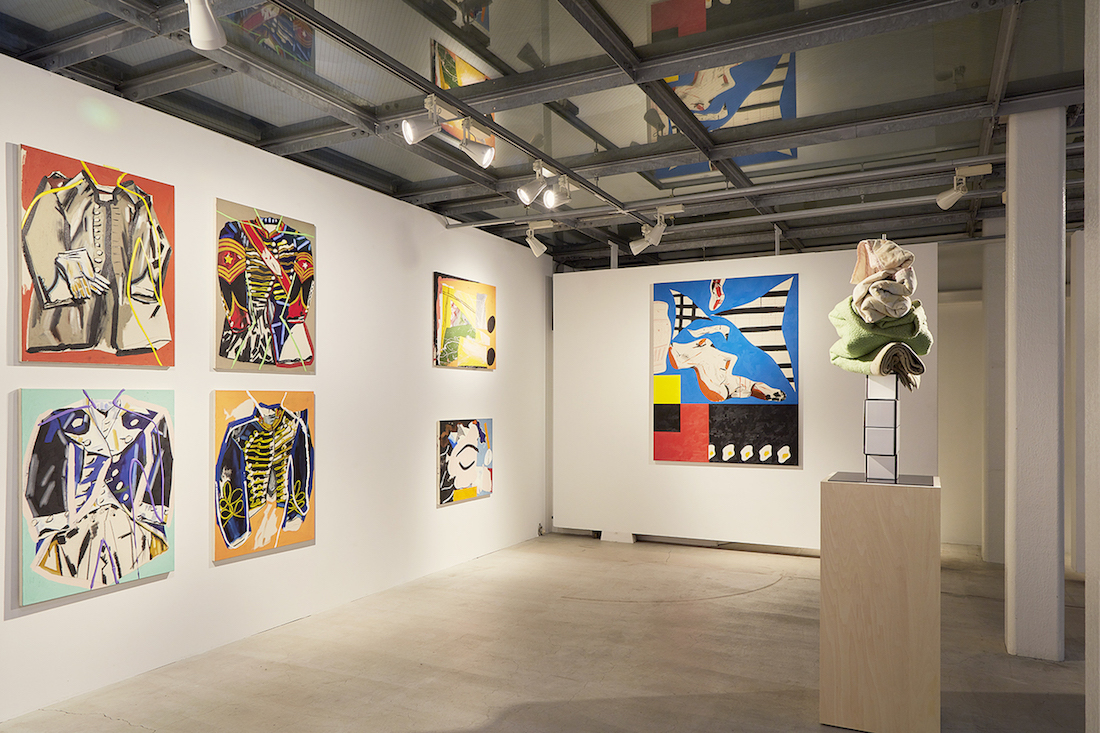
SHOHEI TAKASAKIは、アメリカ・ポートランドを拠点に活動するアーティスト。
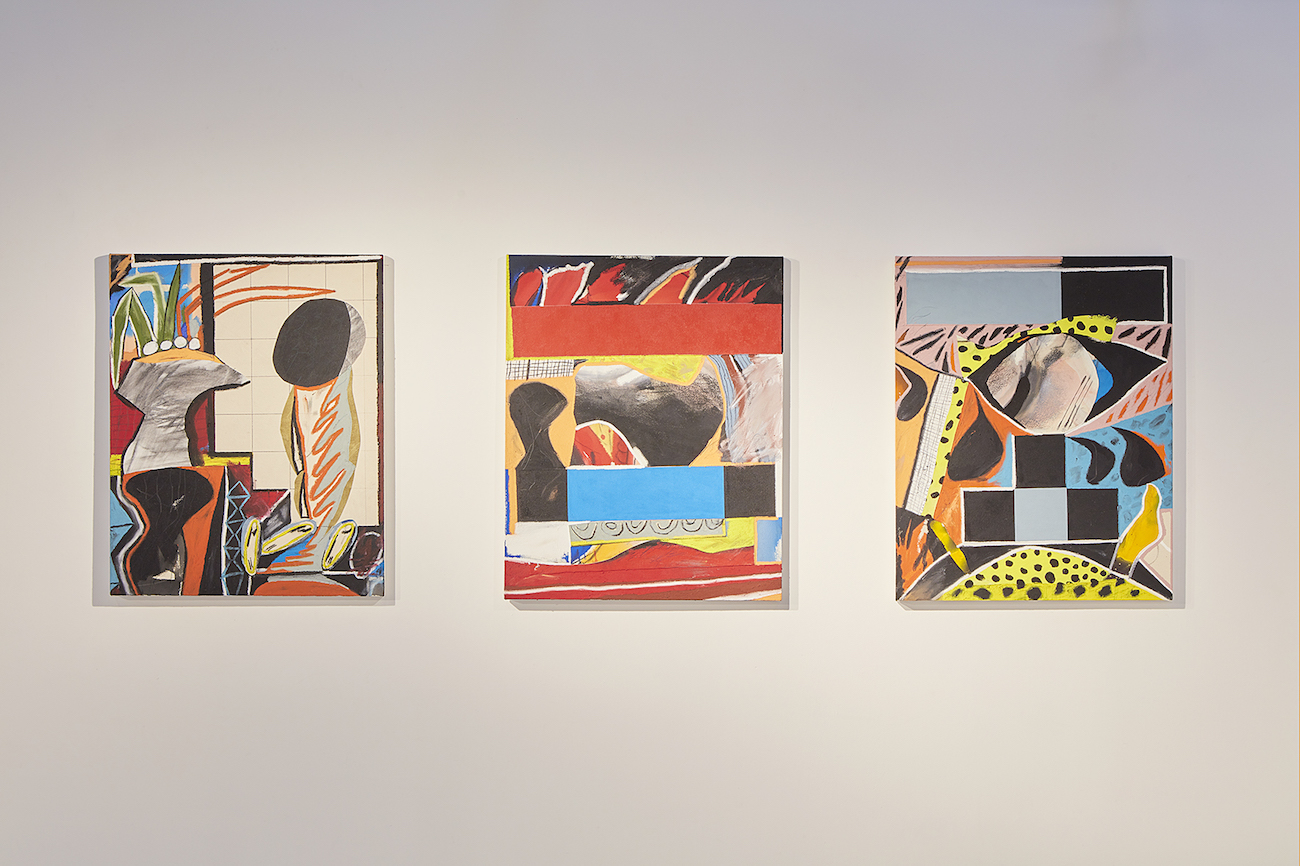
彼は新進の現代アートシーンにおいてとどまることを知らぬ表現力を持った才能あるアーティストとして名を成している。抽象と具象表現との狭間にある危うい道をいくことを恐れることなく、TAKASAKIは新表現主義のスタイルによって、彼の外界に対する認識と彼自身も含む人間がもつ内なる情熱の本質を描き出す。また彼の作品には、どこか原始的かつ野性的な何か、またロマンティックさと飽くこと無い欲望を感じさせるものがある。 ーそれはまるで美しき獣が、捕縛者によって素直に手なずけられ、逃避への願望をもてあそばれているかのようなのだー
The Cat Street Gallery Zelie Walker
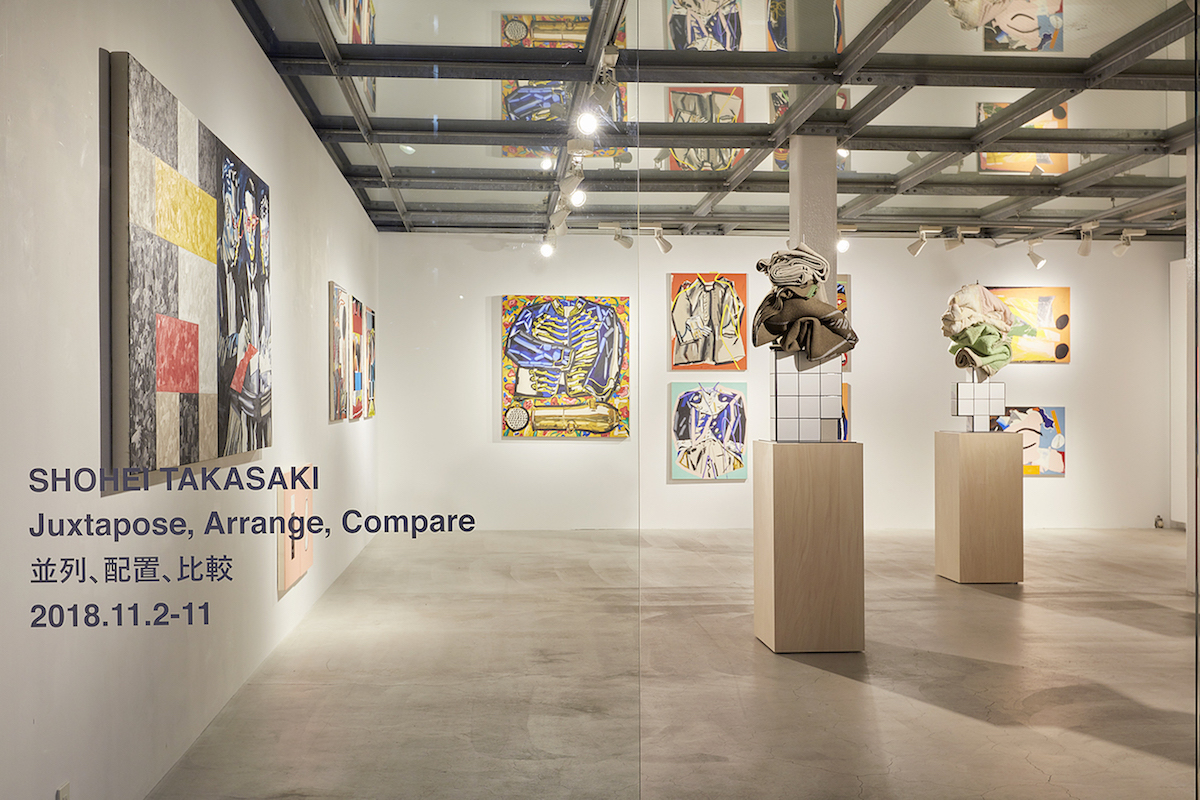
Shohei Takasaki is one the most well-known up-and-coming Japanese fine artists. His solo exhibit is now showing at Gallery COMMON in Harajuku (Nov 2–11, 2018).
After having relocated to Portland, Oregon (USA) in 2012, he has held solo exhibitions in Melbourne, Hong Kong, and Kuwait (a first for a Japanese artist). He has expanded his worldview and has continued to build his audience at home and overseas.
Possessing a painting style that is dynamic and powerful, combined with a unique taste and color sense, SHOHEI TAKASAKI continues to overwhelm with his creative output. Yet, he says that he only became self-aware as an artist only recently. Not beholden to existing methods, always attempting to discover the present thing, what he can create now in this world today. NEWSPHERE had the pleasure of sitting down with an interview with him on the occasion of his first solo exhibit in Japan in 5 years.
Nice to meet you. Thank you for coming today. This is your first exhibit in Japan in 5 years. Could you please talk a little bit about the theme of this exhibit?
The theme for this exhibit is “Juxtapose, Arrange, Compare.” It’s exactly as it sounds—for example if two of the same things are presented on stage, then compared against each other by moving them around. The concept is very simple.
We heard you live in Portland, Oregon (USA). How long has it been since you moved to the US?
I moved in 2012, so it’s been only about 6 years.
Did your creative output change because of the move?
When one changes where one lives or creates work, I think that definitely changes how one thinks of art or how one approaches the act of creating. For example if you look at American art history, particularly in the 1940s (post-WW2) up until today, art history has gone through a rapid updating. Many kinds of approaches were devised in those periods. In the midst of all that, at present in the year 2018, as a Japanese person living in America, what is the presentation that I can give. I think about this everyday when I work.
Can you give any specific examples on how the change of environment has had an affect on the theme of this exhibit?
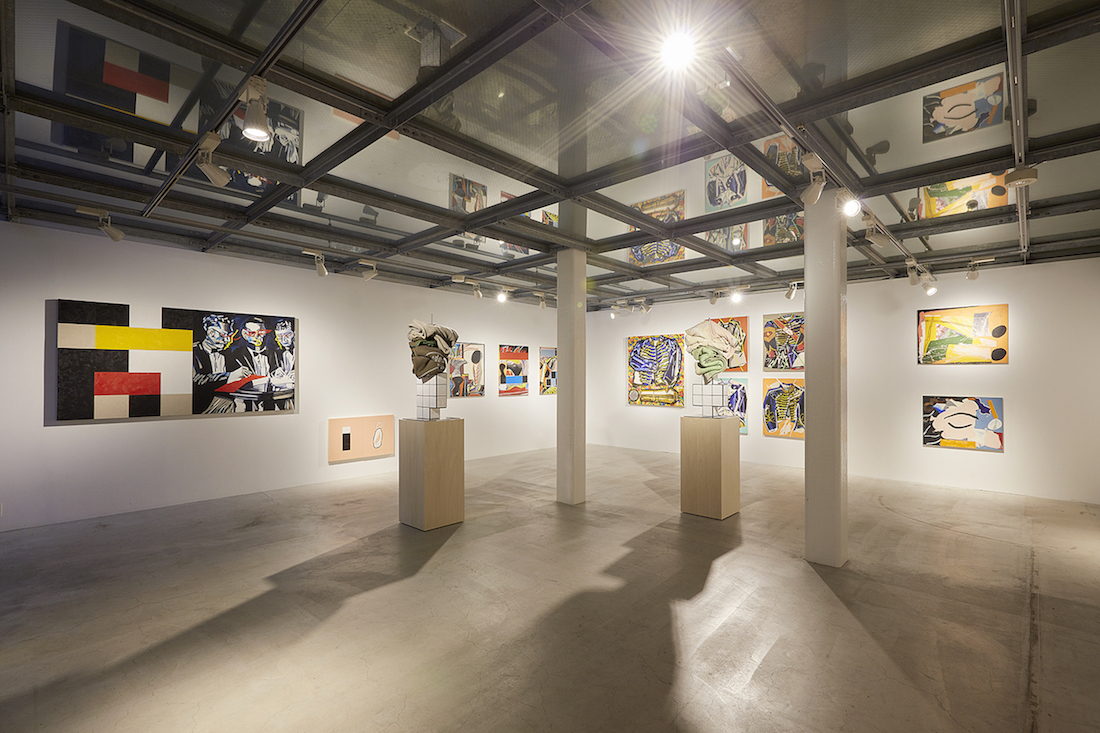
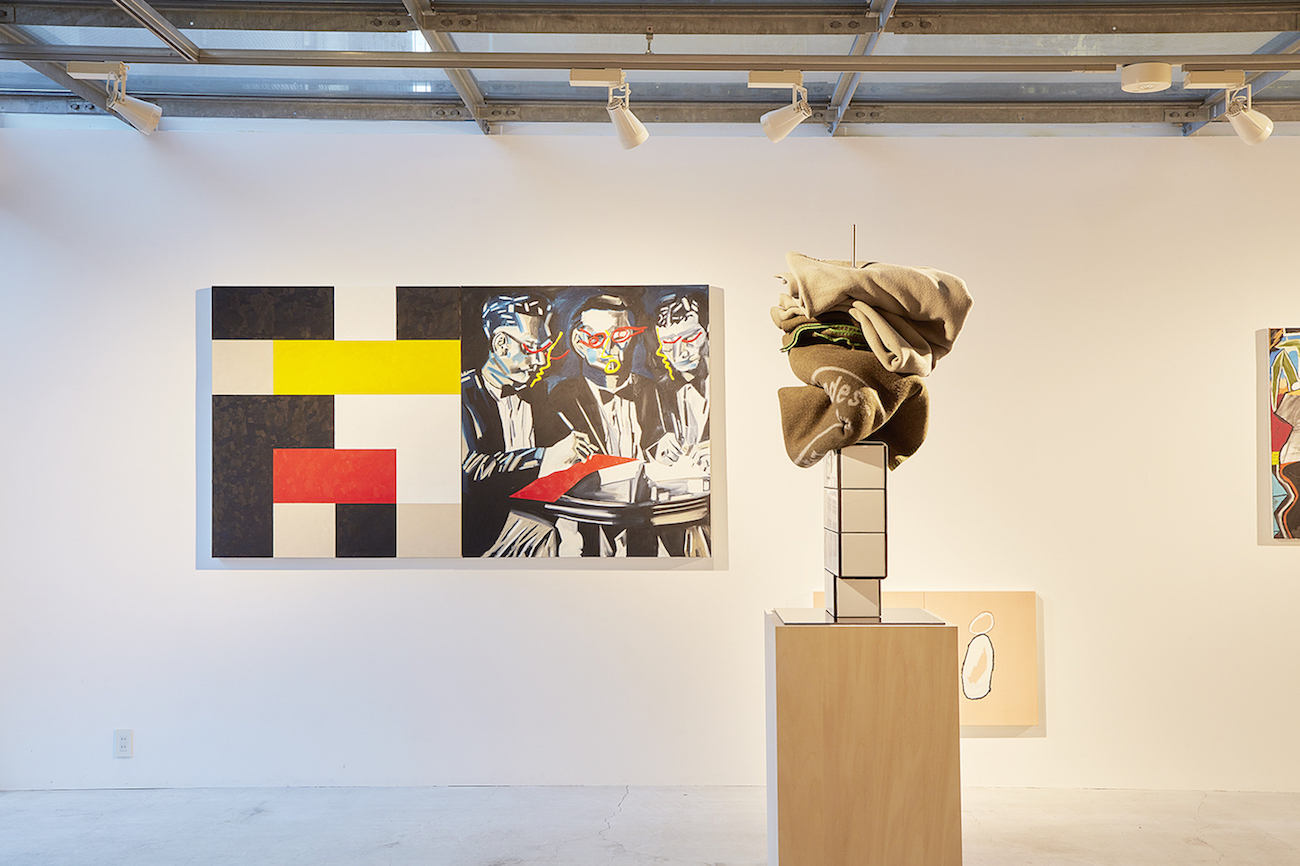
Instead of just updating the style or approach and calling that a new theme, for example if you look at things askew, there are many styles ranging from abstract paintings, figurative—the expression here is about what would happen if you take motifs that are illustrated in contrasting ways but put them all in one frame. Of course, something like this has already been done in the 60s by artists like Andy Warhol.
However, as a Japanese person living in America in 2018, what would happen if I do the same thing as a foreigner—the concept is also a sort of an “experiment”. I think you’d get what I was talking about if you saw the show, but I’m attempting to render graphical elements and abstract things—many contrasting techniques—all on a single medium (canvas). Photo by Yosuke Torii
You are always looking for new techniques of expression.
I will be exhibiting about 20 pieces this time. Changes in living environment and age sure have had an effect but also my perspective on things and sense of time, artistic style and approach all has continued to evolve so I think what I am able to present this time is a little bit different from my past work.
What colors do you like?
I like red, blue, black.
You use these colors often in your work. What have been the influences on your color sensibilities?
It depends on the piece, but I’m reminded of the conversations I’ve had with my artist friends about how what we usually wear kind of ends up being similar to the colors we use in our work. Perhaps subconsciously I am choosing colors that suit me well. In general I like primary colors and pop colors. Roy Lichtenstein was a big influence on me when I was young.
Also my mother loved listening to reggae when I was young so you’d find a lot of reggae music being played in the house I grew up in. Kind of funky when you think about it now (laughs). Like we used to have wide red, yellow, green rasta color pants. But back then I liked punk music so I hated it (laughs). But yes I reckon color sense and the fact that I like music and images certainly is influenced by my mother.
You’ve exhibited in Portland, Melbourne, Hong Kong, and Kuwait. What was it like holding shows overseas? Please share any memorable stories if you have any.
The exhibit in Kuwait was interesting too. It’s amazing to me to be able to go to many different places to put on a show. Melbourne and Hong Kong, of course Tokyo too—they’re interesting but the cities are fundamentally similar. The chain stores that exist the world over all have a franchise, and the personality of the cities itself don’t vary by such wide margins—the languages are the same and people’s personalities are becoming more even. At least on the surface.
As someone working overseas, do you think are the differences between Japan and the rest of the world in regards to art? If so, what are some examples?
I wonder what the main focus of Japanese art education is. As a Japanese person, it is extremely difficult to put up a fight on world-class stages like New York and London. Even if you are studying in art school, do you understand the context of art, the history of art, what do you think of art, how do you interact with it, what kind of conversations can you have with art—are you able to study these things from the ground up in Japan? The US and Europe have a history of doing just this, and its students get a thorough education on the topic. Going to museums from a young age, seeing a Matisse painting kids are asked, “what is this?”—and the kids reply “apple” or “spider”. Then a followup is asked “why do you think this is an apple?” or “what is the difference between an apple and a spider?”—kids are pushed to have these conversations from a young age and that in turn helps nurture the foundation. They then go to art school with such foundation and they are able build upon that knowledge base. Of course it depends on the city and neighborhood but in general people love art and respect artists—and they have less trepidation in purchasing art compared to the Japanese.
The environment surrounding the artist is also different?
It’s a simple story, but for example when an artist completes a painting and releases it publicly thinking to himself, “I’ve created a truly original piece”, that’s really not the case since we live in an age where there is no such thing. I think the shortcut to developing new artistic expression lies in knowing that fact, and exploring new techniques of expression despite it.
Yet, I do think that for places that are far from western art culture like Japan and other Asian nations, it is totally possible that completely new artistic expression may pop up. I think we are in an age where NY and London are no longer the centers of art.
As an artist, what kind of future do you see? If you have any goals, could you please share them?
I’d like my pieces to be exhibited in my favorite museums all over the world. That’s one of my goals.
What is art for you?
I think only humans can create art. Because it’s a way to transform knowledge and philosophy into something tangible. A person’s thoughts and philosophy, informed by the time that he/she was living in—art is the visualization of that. I think this is a uniquely human activity. For example music and dance is slightly more animalistic, but it’s fundamentally art because humans create it.
— SHOHEI TAKASAKI
「Juxtapose, Arrange, Compare」
At Gallery COMMON
1F BLOCK HOUSE 6-12-9 Jingu-mae Shibuya Tokyo Japan
2nd – 11rd Nobember 2018
Open:13:00 – 19:00
—
Japanese artist, Shohei Takasaki is living and working in Portland United States, and making a name for himself as an unstoppably expressive and talented artist in the budding contemporary art scene. Creating works which display his powerful and freestyle approach to painting, Takasaki is fascinated by notions of desire and the physicality of sexual attraction between human bodies, bringing his imagery alive on its 2-D surfaces, pulsing and undulating in rich colors and dynamic lines.
Unafraid to walk the tightrope between abstraction and figuration, Takasaki distills his perception of the outside world and its inner individual passions, including his own, with neo-expressionist flair. There is something primitive and wild about Takasaki’s creations, and something romantic and insatiable too – like a beautiful beast willingly tamed by its captor, toying with the idea of escape.